
Portable Generators for Camping: What Actually Works in the Field
Expert guide to portable generators for camping. Learn which type suits your trip, how to keep noise down, and what actually works off-grid.
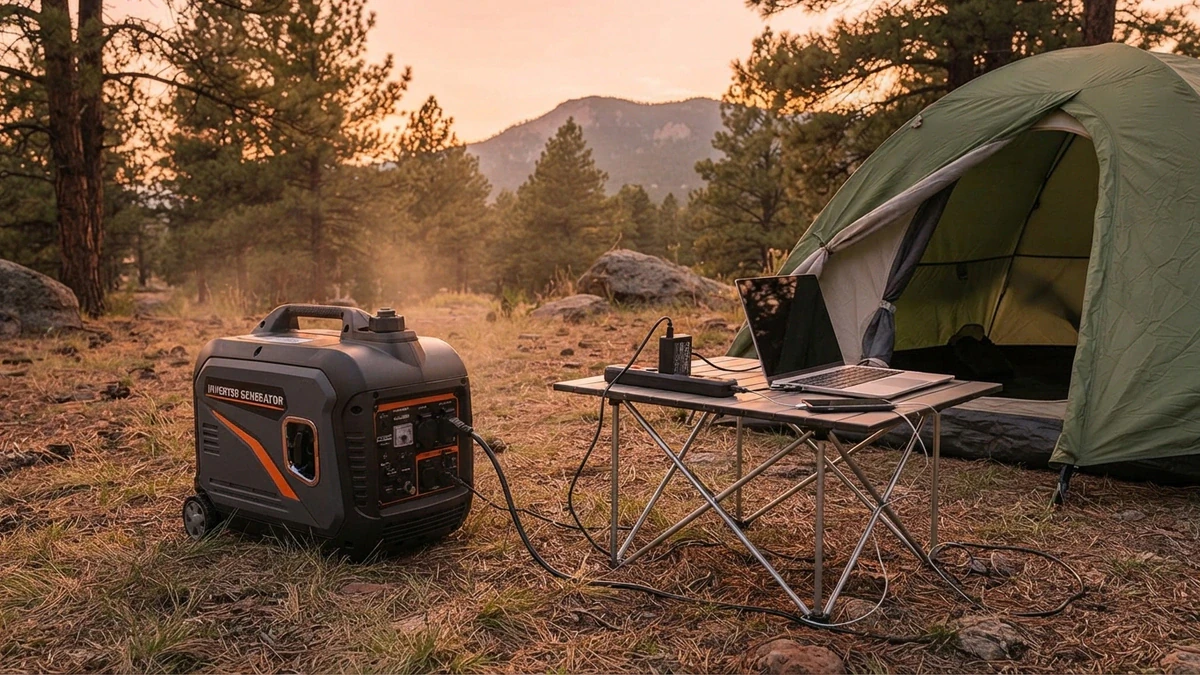
After a decade of hauling generators to campsites across the UK and beyond, I can tell you one thing: the wrong machine ruins a trip faster than rain on a tent. The right portable generator for camping should be quiet enough to not annoy your neighbors, light enough to move without a chiropractor, and efficient enough to run a fridge or CPAP machine all night without refueling at 3 AM.
We run irmotorbargh, a London-based shop specialising in portable power. Over the years, we've tested dozens of units in real camping conditions — from the damp chill of the Lake District to dusty festival fields. This guide cuts through the noise and tells you what actually matters when you're off-grid.
Why Inverter Generators Win for Camping
If you're powering sensitive electronics like laptops, drones, or medical devices, an inverter generator is non-negotiable. Unlike conventional generators that produce 'dirty' power with fluctuating voltage, inverters convert AC to DC and back again. The result? Stable, clean electricity that won't fry your £1,200 laptop.
I once watched a camper plug a CPAP machine into a cheap conventional generator. The machine hummed for ten minutes, then died. That's a £400 mistake you don't want to make.
Inverter models also tend to be lighter and quieter. Most run at 50–60 dBA — roughly the volume of a normal conversation. That's a massive difference when you're trying to sleep 20 feet away.
Gasoline vs. Battery: Which Fuel Type Fits Your Trip?
Gasoline generators still dominate for good reason. A 2kW unit can run for 6–8 hours on a single tank, and you can refuel in seconds. For multi-day trips where you need reliable power for cooking, lighting, and charging, gasoline is hard to beat.
But they have downsides. You're storing flammable fuel, performing maintenance (oil changes, spark plugs), and dealing with exhaust fumes. Never run one inside a tent or enclosed space — carbon monoxide kills silently.
Battery-powered 'solar generators' (really just big batteries) are quieter and fume-free. But their runtime is limited. A 1000Wh unit might run a fridge for 8 hours, then need 6+ hours to recharge via solar. For weekend warriors, they work. For week-long adventures, you'll want gasoline.
Noise: The Campsite Social Contract
Nobody wants to be 'that guy' with the generator that sounds like a lawnmower at 6 AM. A quiet generator (under 60 dBA) keeps the peace. Look for models with eco-throttle modes — they automatically adjust engine speed to the load, reducing noise and fuel consumption.
We've found that units with double-insulated casings and low-tone mufflers make the biggest difference. At irmotorbargh, we let customers run generators in our London showroom before buying. You'd be surprised how many 'quiet' models aren't.
Expert Tip: Place your generator on a rubber mat or piece of plywood. It absorbs vibration and can reduce perceived noise by 3–5 dBA. Also, point the exhaust away from tents and towards open space. Small tweaks, big difference.
Fuel Efficiency: Run Longer, Refuel Less
A fuel-efficient generator saves you money and hassle. Look for models with:
- Eco-throttle: Reduces engine RPM when load is low.
- Fuel shut-off valve: Lets you run the carburetor dry before storage.
- Large tank capacity: 4–6 litres gives you 8–12 hours at half load.
I always recommend running a generator at 50–75% load for optimal efficiency. Running it at full load burns fuel faster and shortens engine life.
Portability: Weight and Form Factor
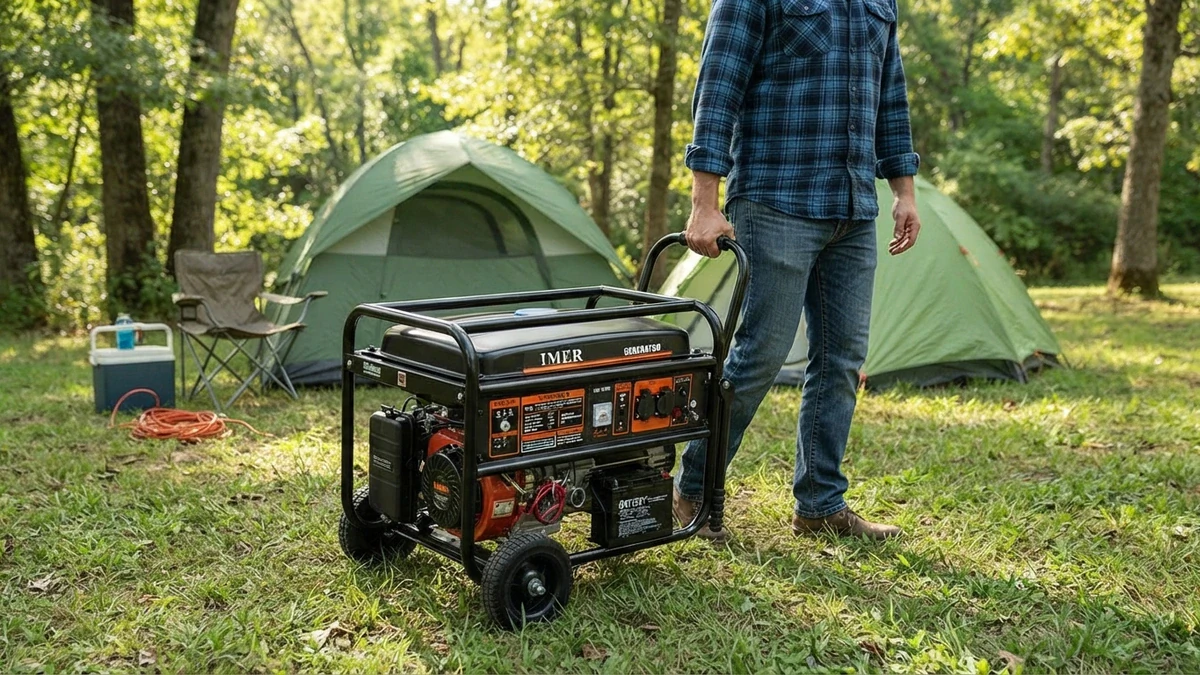
Portable doesn't mean lightweight. A 2kW gasoline generator typically weighs 20–25 kg. That's manageable for two people but a struggle solo. Look for models with telescopic handles and wheels — they turn a back-breaking lift into a gentle roll.
For solo campers, a 1kW unit at 12–15 kg is more realistic. It won't run a kettle, but it'll charge devices, run LED lights, and power a small fan.
Emergency Backup: When Camping Meets Crisis
Many of our customers buy a portable emergency generator for home backup, then use it for camping too. That's smart. A unit that runs your fridge during a power cut will also run your campsite setup.
Just remember: gasoline generators need monthly exercise. Run them for 20 minutes every 4–6 weeks with a load. Otherwise, the carburetor clogs, and you'll be rebuilding it when you need it most.
What About 'Silent' Generators?
There's no such thing as a silent generator. Physics doesn't allow it. But 'quiet' generators (50–58 dBA) are close enough that you can hold a conversation next to them. Battery units are truly silent, but they don't generate power — they store it.
Don't fall for marketing claims of 'whisper-quiet' unless you see a dBA rating at 7 metres. That's the industry standard for measuring generator noise.
Making the Right Choice
Match your generator to your actual needs. Add up the wattage of everything you'll run simultaneously. Add 20% headroom. Then choose a fuel type based on trip length and noise tolerance.
If you're in London, come visit our store. We'll help you test models under load and find the right fit. No pressure, just honest advice from people who actually camp.
Frequently Asked Questions
Can I use a portable generator inside a tent?
No. Gasoline generators produce carbon monoxide, a deadly odourless gas. Always run them outdoors, at least 20 feet from tents and windows, with exhaust pointing away from occupied areas.
How loud is a quiet inverter generator?
Most quiet inverter generators run at 50–60 dBA at 7 metres, roughly the volume of a normal conversation. Battery units are silent but have limited runtime.
What size generator do I need for camping?
For charging devices and lights, a 1kW unit suffices. For a fridge, heater, or CPAP machine, aim for 2kW. Add up your wattage and add 20% headroom.
Where can I buy a portable generator in London?
Visit irmotorbargh in London. We stock inverter, gasoline, and battery generators, and we let you test them under load before buying.
How often should I run my camping generator?
Run it for 20 minutes every 4–6 weeks with a load. This prevents carburetor clogs and keeps the engine lubricated. Always use fresh fuel stabiliser.